
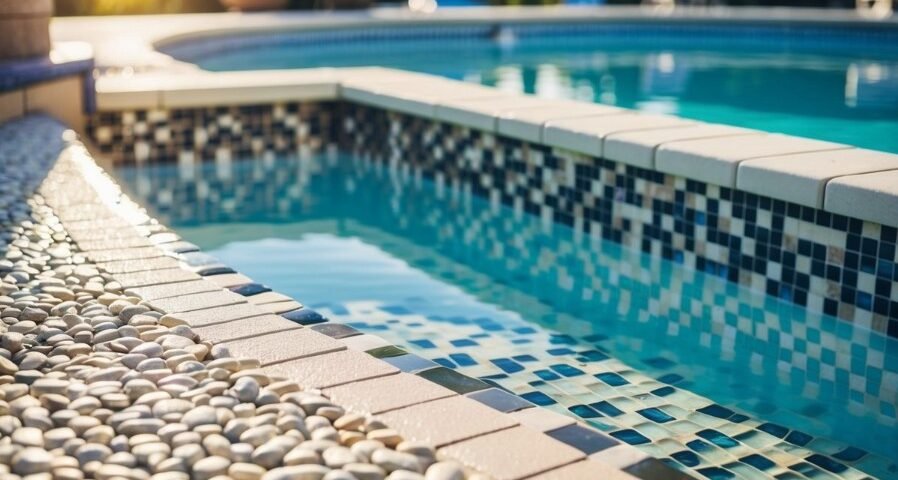
When it comes to maintaining a durable and visually appealing swimming pool, choosing the right pool replastering material is one of the most important decisions you can make—especially in hot and sunny climates. Constant UV exposure, high temperatures, and frequent chemical use can quickly degrade low-quality finishes. That’s why selecting heat-resistant, long-lasting materials is essential for both residential and commercial pools.
In this guide, we’ll explore the best materials used for pool resurfacing, their durability, and why they perform better in extreme weather conditions.
Why Climate Matters in Pool Replastering
Hot and sunny regions accelerate pool surface wear due to:
- Constant UV exposure that fades and weakens plaster
- High water evaporation increasing chemical imbalance
- Thermal expansion causing surface cracks
- More frequent pool usage during warm seasons
Because of these factors, standard plaster alone often struggles to last beyond its expected lifespan of 7–10 years without visible deterioration.
Upgrading to more advanced finishes can significantly improve durability and reduce long-term maintenance costs.
1. Quartz Pool Plaster – Best Balance of Strength and Style
Quartz-based finishes are one of the most recommended options for warm climates. This material combines traditional cement plaster with crushed quartz crystals, making it far more resistant to heat and chemical damage.
Why quartz works well in hot climates:
- Improved resistance to UV fading
- Stronger surface against chemical imbalance
- Lower porosity reduces algae growth
- Lasts around 12–15 years on average
Quartz also maintains color consistency better than standard plaster, which tends to stain and discolor more quickly under intense sunlight. For homeowners wanting a smooth yet durable finish, quartz is a smart mid-range investment.
2. Pebble Aggregate Finish – Maximum Durability for Extreme Heat
If you live in a region with year-round sun and high temperatures, pebble finishes are often considered the most durable option for pool replastering.
Pebble finishes are made using small natural stones mixed into cement, creating a highly resistant surface.
Key advantages:
- Extremely long lifespan of 15–25 years or more
- Excellent resistance to UV rays and chemical wear
- Naturally slip-resistant surface
- Highly resistant to cracking and erosion
Because pebble finishes are less porous, they handle heat cycles better and reduce long-term surface damage. While they are more expensive upfront, they often require fewer repairs over time.
3. White Plaster – Budget-Friendly but Less Heat Resistant
Traditional white plaster is the most basic and affordable option, but it is also the least durable in harsh climates.
Characteristics:
- Smooth and classic appearance
- Lifespan of only 7–10 years in many cases
- Prone to etching, staining, and fading
- Requires more frequent maintenance
In sunny regions, white plaster can quickly show wear due to UV exposure and water chemistry fluctuations. It’s best suited for homeowners prioritizing lower upfront costs rather than long-term durability.
4. Polished Aggregate Finishes – Premium Heat Resistance Option
Polished aggregate finishes combine marble, granite, or quartz with cement, then polish the surface for a smooth, high-end look.
Benefits:
- Strong resistance to staining and UV damage
- Longer lifespan similar to pebble finishes (15+ years)
- Reflective surface helps reduce heat absorption
- Luxurious appearance ideal for modern pools
This option is popular in upscale residential pools where both aesthetics and performance are equally important.
Which Pool Replastering Material Is Best for Hot Regions?
Here’s a quick comparison:
- Best durability: Pebble aggregate
- Best balance of cost and performance: Quartz plaster
- Best budget option: Standard white plaster
- Best luxury finish: Polished aggregate
If your region experiences intense sun exposure year-round, investing in stronger materials like quartz or pebble can extend your pool’s lifespan by up to 2–3 times longer compared to basic plaster systems.
Final Thoughts
Choosing the right pool replastering material is not just about appearance—it directly impacts durability, maintenance costs, and comfort. In hot and sunny environments, heat-resistant finishes like quartz and pebble stand out as the most reliable long-term solutions.
A well-chosen finish can protect your pool for decades, reduce maintenance headaches, and keep your swimming area looking fresh even under extreme weather conditions.