
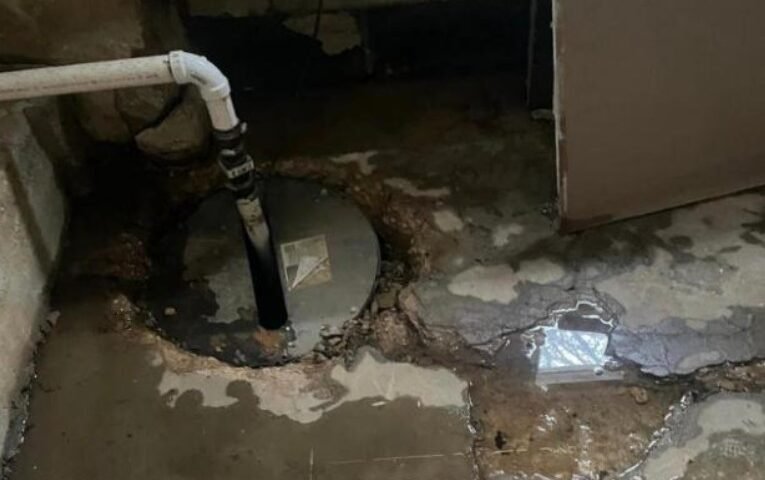
Basements in Bel Air homes are often exposed to moisture from rainfall, shifting soil, and changing seasonal conditions. When water collects around the foundation, it can seep into the basement and create damp conditions. Over time, this moisture may damage flooring, weaken structural materials, and create an environment where mold can grow. Even small amounts of water can reduce basement usability and lead to costly repairs.
Homeowners may first notice warning signs such as musty odors, damp corners, or small puddles after heavy rain. These symptoms often indicate that water is entering the basement. Sump Pump Installation is one of the most effective ways to manage excess water and protect the basement from long-term damage. By removing water before it accumulates, homeowners can maintain dry, functional spaces and reduce the risk of flooding.
Understanding how sump pump systems work and the benefits they provide helps homeowners make proactive decisions. Choosing a sump pump installation in Bel Air, MD, ensures basements remain dry and usable year-round with reliable protection against water intrusion.
Why Basements in Bel Air Are Vulnerable to Water Intrusion
Homes in Bel Air are exposed to conditions that increase the likelihood of basement moisture. Heavy rainfall can saturate the soil surrounding the foundation, creating pressure against the basement walls and floors. This pressure, often called hydrostatic pressure, can push water through small cracks or porous concrete surfaces.
Poor drainage can also contribute to water intrusion. When gutters, downspouts, or grading do not direct water away from the home, moisture may accumulate near the foundation. Over time, this buildup increases the chance of basement leaks. Seasonal weather changes may also affect soil conditions, leading to expansion and contraction around the structure.
Sump Pump Installation helps address these risks by removing water before it enters the basement. By managing moisture at the lowest point, sump pumps provide reliable protection during storms and wet conditions.
How Sump Pump Systems Work
A sump pump system is designed to collect water and move it away from the home. The system includes a sump pit, typically installed at the lowest point of the basement. Water from the surrounding soil drains into the pit, where the pump activates once the water reaches a certain level.
When the pump turns on, it pushes water through a discharge line, directing it away from the foundation. This prevents water from spreading across the basement floor. Because sump pumps operate automatically, they provide ongoing protection without constant monitoring.
This automated process makes sump pumps especially helpful during heavy rain. When water levels rise quickly, the system activates and removes excess moisture. This reduces the risk of basement flooding and structural damage.
Preventing Basement Flooding and Water Damage
One of the main benefits of sump pumps is flood prevention. Water entering the basement can damage flooring, walls, and stored belongings. Even minor flooding may lead to long-term issues such as mold growth or material deterioration.
Sump Pump Installation helps remove water before it spreads across the basement. By controlling water levels, homeowners can protect finishes and structural components. This protection is especially important for finished basements or storage areas.
Preventing flooding also reduces cleanup and repair costs. Keeping water out of the basement helps maintain a clean and dry environment. This allows homeowners to use the space with confidence.
Protecting Foundation and Structural Stability
Water buildup around the foundation can weaken structural materials over time. Excess moisture may cause cracks to expand or allow soil beneath the foundation to shift. These changes can affect the stability of the entire home.
Removing water reduces pressure against foundation walls and floors. Sump pumps help maintain consistent soil conditions around the structure. This supports long-term stability and reduces the likelihood of settlement.
Sump Pump Installation plays an important role in protecting both the basement and the foundation. By managing moisture, homeowners help maintain structural integrity.
Reducing Mold and Humidity Concerns
Excess moisture in basements often leads to high humidity levels. Damp conditions create an environment where mold and mildew can grow. This may affect indoor air quality and create health concerns for occupants.
Sump pumps help control humidity by removing water before it accumulates. Dry conditions make it harder for mold to develop. Reducing moisture also helps protect stored items and building materials.
Lower humidity improves overall comfort throughout the home. Because basements affect air quality, keeping them dry supports a healthier environment.
Improving Basement Usability
A dry basement offers more flexibility for homeowners. Spaces can be used for storage, recreation, or additional living areas. Moisture-free environments help protect belongings and maintain flooring materials.
Sump pumps provide dependable protection against water intrusion. This helps homeowners use basement space without worrying about flooding. Maintaining dry conditions also reduces the need for constant monitoring.
Sump Pump Installation supports long-term usability. Homeowners gain peace of mind knowing their basement is protected.
Long-Term Benefits of Installing a Sump Pump
Installing a sump pump offers several lasting advantages. Once installed, the system operates automatically to manage water levels. This reduces the risk of unexpected flooding.
Long-term benefits include improved air quality, reduced maintenance needs, and protection for stored belongings. Dry basements also help maintain property value. Buyers often view waterproofing features as a valuable addition.
Sump Pump Installation is a proactive investment. It helps prevent recurring moisture problems and supports long-term home protection.
When to Consider Sump Pump Installation
Homeowners should consider installing a sump pump if they notice signs of moisture. Persistent dampness, puddles, or musty odors often indicate water buildup. These symptoms suggest that drainage improvements may be needed.
Installation is also helpful for homes with a history of basement leaks. Properties located in areas prone to heavy rainfall may benefit from additional protection. Early installation helps prevent future damage.
A professional evaluation can determine the best system type and placement. Taking action early helps maintain a dry basement.
Conclusion
Sump pump systems remove excess water, reduce humidity, and protect structural components. By preventing water buildup, homeowners can maintain dry and usable basements. Long-term protection helps preserve comfort and property value.
If your basement shows signs of moisture or flooding, it may be time to consider adding protection. The experienced team at Bel Air Basement Waterproofing provides professional assessments and reliable solutions designed to keep basements dry. Contact Bel Air Basement Waterproofing today to learn how sump pump installation can help protect your home and provide long-term basement protection.