
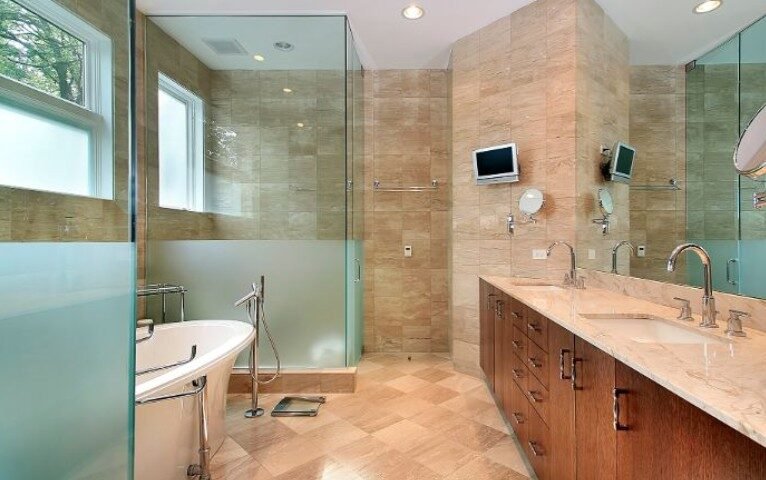
A full bathroom remodel goes far beyond cosmetic updates. While replacing a vanity or painting the walls may refresh the space, those changes alone do not qualify as a complete renovation. A full remodel involves deeper structural, functional, and system-level upgrades that significantly impact both cost and complexity.
Homeowners planning a major renovation often discover that the definition of a full remodel varies depending on scope, layout, and existing conditions. Those researching timelines, costs, and expectations for a bathroom remodel rhode island quickly learn that a full remodel includes far more than surface-level improvements.
What Defines a Full Bathroom Remodel
A full bathroom remodel typically involves stripping the space down to its core components and rebuilding it with updated systems, finishes, and layout improvements. This approach addresses both visible features and the infrastructure behind them.
A full remodel often includes:
- Removal and replacement of flooring
- New shower or tub installation
- Updated plumbing and drain systems
- Electrical upgrades for lighting and outlets
- New ventilation systems
- Replacement of vanities, fixtures, and cabinetry
- Waterproofing and moisture protection
Because multiple trades are involved, coordination and labor requirements increase substantially.
Why Layout Changes Increase the Cost
One of the biggest reasons a full bathroom remodel costs more is the need for layout modifications. Moving a toilet, shower, or vanity requires plumbing and electrical changes that extend beyond the bathroom itself.
Walls and floors must be opened to reroute pipes and wiring. In older homes, this often reveals outdated materials that must be replaced to meet current safety standards. These adjustments increase labor time and material needs, driving costs higher than anticipated.
Keeping the existing layout can reduce costs, but many full remodels involve reconfiguring the space to improve function and flow.
Plumbing and Electrical Upgrades Are Major Cost Drivers
Bathrooms combine water, electricity, and ventilation in a confined space. A full bathroom remodel usually requires bringing these systems up to modern standards.
Plumbing upgrades may involve replacing old pipes, upgrading drains, or installing new supply lines for modern fixtures. Electrical work often includes new lighting layouts, safety outlets, and improved wiring capacity.
These systems require licensed professionals and careful inspection, which adds to overall project costs.
Waterproofing and Moisture Control Are Non-Negotiable
Waterproofing is a defining feature of a full bathroom remodel. Proper moisture protection prevents leaks, mold growth, and long-term structural damage.
Showers and tub areas require waterproof membranes, proper slope, sealed seams, and durable materials. Ventilation systems must effectively remove moisture from the space.
According to guidance from the U.S. Consumer Product Safety Commission, proper moisture management is essential in high-humidity areas of the home. Home safety and moisture control information can be reviewed at www.cpsc.gov.
Skipping waterproofing steps may reduce upfront costs, but it often leads to expensive repairs later.
Tile and Finish Installation Adds Labor Time
Tile installation is another reason full bathroom remodels cost more. Large format tiles, custom patterns, and floor-to-ceiling applications increase preparation and installation time.
Tile work also requires precise leveling, waterproof underlayment, and careful sealing. While materials vary in price, labor often accounts for the largest share of tile-related costs.
High-quality installation protects the investment and improves durability.
Custom Features Increase Scope and Budget
Many full bathroom remodels include custom or semi-custom features. Built-in storage, custom vanities, specialty lighting, and accessibility upgrades add functionality but also increase labor requirements.
Custom features require detailed planning and precise installation. While they improve comfort and usability, they also expand the scope of work.
Strategic customization focused on function delivers better value than purely decorative upgrades.
Permits and Inspections Are Often Required
A full bathroom remodel frequently requires permits and inspections, especially when plumbing or electrical systems are modified. This process adds time and administrative costs but ensures the work meets safety standards.
Permits protect homeowners by verifying that systems are installed correctly and legally. Skipping required permits can lead to fines, resale issues, or insurance complications.
Why a Full Bathroom Remodel Is Still Worth the Cost
Although a full bathroom remodel costs more, it also delivers the greatest long-term value. Updated systems improve safety, efficiency, and reliability. Proper waterproofing protects the home from hidden damage.
A fully remodeled bathroom improves daily comfort, supports resale value, and reduces maintenance concerns. The higher upfront investment often prevents costly repairs in the future.
How to Know If You Need a Full Remodel
A full remodel is usually necessary when:
- Plumbing or electrical systems are outdated
- Water damage or mold is present
- The layout no longer functions well
- Major fixtures need replacement
- The bathroom no longer meets safety needs
Evaluating the condition of both visible features and hidden systems helps determine the appropriate scope.
Conclusion
A full bathroom remodel includes structural changes, system upgrades, waterproofing, and finish installation. These elements require skilled labor, careful planning, and coordination across multiple trades, which is why the cost is higher than a partial update.
For homeowners considering a full bathroom remodel and seeking experienced guidance, Rhode Island Bathroom Remodeling offers professional planning, quality craftsmanship, and a focus on long term performance. Their expertise helps homeowners invest confidently while avoiding costly surprises during the renovation process.