
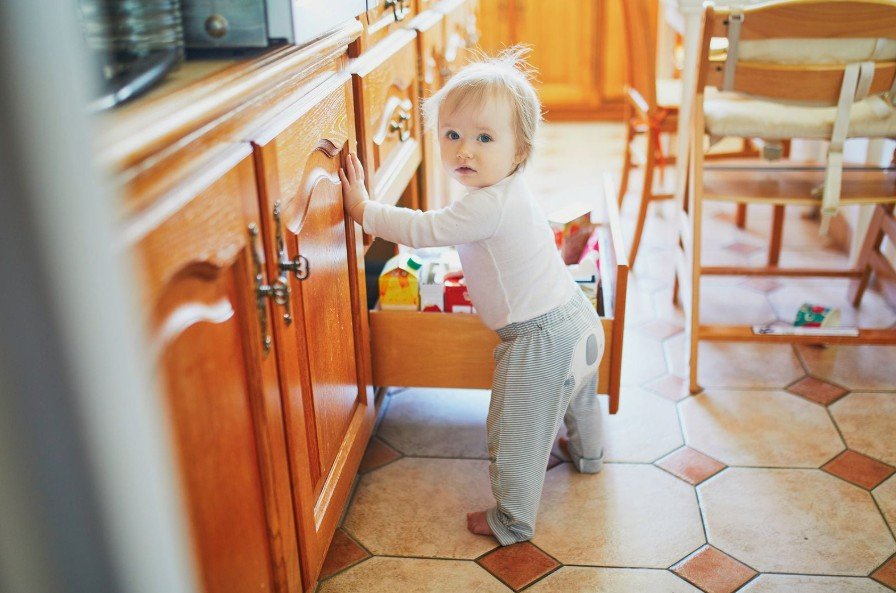
Moving into a new rental is usually an exciting experience, but doing it with a baby on the way or a toddler trailing behind can complicate matters. Suddenly, those sharp corners, wobbly furniture, and open sockets look far more menacing than they once did. Most landlords aren’t exactly thrilled about holes in their walls or permanent fittings, which can make things even trickier. But with a little creativity and a few clever tools, you can keep your child safe without testing your landlord’s patience or gambling with your deposit.
Understand Your Rental Limitations
Before making any changes, big or small, check your rental agreement to see what you’re actually allowed to do. Every landlord has their own threshold for what they deem acceptable. Even the slightest misunderstandings can quickly become costly. If the contract isn’t clear, don’t hesitate to ask them directly about what temporary changes are permitted. Most landlords are perfectly fine with fixes that can be undone without leaving a mark. But if you start drilling holes or painting over finishes, you’ll likely land in hot water later. Knowing your limits early allows you to plan your baby-proofing with confidence, focusing only on safe, reversible options. Fortunately, there’s no shortage of clever products designed exactly for that.
Soften Hard Edges
Babies and toddlers are curious little explorers. Once they start crawling or wobbling around, coffee tables, TV units, and kitchen counters all turn into potential hazards. Corner guards are the easiest way to help them navigate this maze of sharp edges safely. Made from soft silicone or foam, these pads have a gentle adhesive backing that sticks directly to hard surfaces. They’re designed to absorb shocks and cushion bumps, and the best part is, they peel off cleanly, leaving no trace behind. They’re also quite affordable, so you can buy as much as you need to cover all those high-risk areas without breaking the bank. Just be sure to replace them if they start to wear out. If your furniture has unusual shapes or materials, try edge bumpers. These are long, flexible strips that can be cut to fit in awkward corners.
Lock Away the Temptations
As a new parent, you probably already know that your little one has a knack for finding the one cupboard or drawer they shouldn’t. Whether it’s the cleaning supplies under the sink or the cutlery drawer, it only takes seconds for them to get into mischief. Magnetic safety locks are a godsend for renters. They sit discreetly on the inside of cupboards, opening only with a magnetic key. All it takes is an adhesive pad to install them, and when it’s time to move on, you can simply peel them off, and no one will ever know they were there. If you’re looking for a cheaper option, adhesive strap locks are just as effective. They stretch between two doors or drawers and release with a simple clip, perfect for fridges, dishwashers, or low-level cupboards. You can’t go wrong with either option. Both types will keep potential hazards out of your child’s reach, all while blending neatly with your décor. So, you don’t have to worry about your kitchen looking like a plastic fortress.
Create Safe Boundaries
Even the most attentive parent can’t be everywhere at once. That’s where safety gates earn their keep, particularly around stairs or kitchen doorways. Traditional gates rely on screws and wall anchors, which are a no-go in most rentals. Thankfully, pressure-mounted gates do the same job with none of the damage. They stay in place by applying tension to the door frame or walls, wedging firmly between both sides without leaving holes or marks behind. If your little one is a relentless climber, opt for sturdy models made from metal or solid wood. While lightweight plastic gates are fine for temporary use, they may buckle under pressure from an adventurous toddler. To ensure that the tension is still holding, make sure to check them regularly, especially if they’re constantly rattled or placed on uneven flooring.
Cover Up Electrical Outlets
It’s astonishing how quickly babies discover plug sockets, often with unnerving accuracy. To keep their little fingers away from electrical outlets, use sliding plates or plug-in protectors to cover them up. Sliding covers replace the socket’s faceplate, automatically snapping shut when not in use. They’re simple to install and can be swapped back just as easily when it’s time to hand back the keys. Plug-in protectors, on the other hand, are small caps that slot directly into the socket. They’re inexpensive, widely available, and effortlessly removable. As an extra layer of security, it’s also wise to keep cords tidy. Cable sleeves or spiral wraps will stop your little ones from tugging at wires and turning your living room into a miniature spaghetti junction.
Secure Furniture Without Screws
Toddlers like to explore every inch of their surroundings, often climbing various objects, such as drawers, bookcases, or TV stands. Their instinct to pull themselves up can quickly turn dangerous unless you anchor the furniture to the walls or floors. Yet, traditional wall brackets often require drilling. Luckily, adhesive furniture straps are a reliable, renter-friendly alternative. They bond firmly to both the wall and the furniture using heavy-duty adhesive, holding even large items steady. Anti-tip furniture grips are another smart choice. Using pressure and friction, they keep wooden furniture stable without a single screw in sight. If you’ve ever watched a toddler attempt to scale a chest of drawers, you’ll know how reassuring these invisible fixes can be.
Eliminate Slipping Hazards
Once your child starts walking, hardwood floors, such as tile or laminate, can feel like slippery ice beneath their small feet. That’s where foam play mats prove handy. Not only are they soft, portable, and easy to clean, but they can also be laid out in any configuration. Padded rugs are another reliable solution. They’ll help break your little one’s falls while providing much-needed warmth during the colder months. For the bathrooms and kitchens, non-slip mats are invaluable. Simply press them into place to prevent slips on wet floors. And when spills inevitably happen, all you have to do is lift, rinse, and dry them. Within minutes, they’ll be ready for duty once again.
Prepare for the End of Your Tenancy
When the lease is nearly up, you’ll need to reverse your handiwork. If you’ve relied on temporary fittings, this process will be remarkably simple. Start by removing any adhesives, guards, and straps carefully to avoid peeling the paint or leaving residue. Then, inspect every surface closely. A thorough clean-up is often all it takes to restore the space to its original state and get your deposit back in full. If you’d rather not tackle it yourself, professional post tenancy cleaning services can take care of the heavy lifting for you. They’ll save your sanity and your back, especially if your little one has left sticky fingerprints and mystery marks everywhere.
Conclusion
Baby-proofing a rental home without making permanent alterations can feel like walking a tightrope. But with these temporary fixes, you can keep your child safe and your landlord content. And when moving day finally arrives, you’ll hand back the keys with confidence, knowing you’ve left no reason for your landlord to eye that deposit suspiciously.